
Bridging the Gap to Those in Need
The distribution of donated goods plays a crucial role in supporting vulnerable populations. From clothing and food to medical supplies and household essentials, these contributions from individuals, corporations, and organizations can make a profound difference. But effective distribution requires more than just goodwill—it demands strategic planning, logistics, and collaboration to ensure items reach those who need them most.
The process typically begins with collection centers, such as non-profits like the Red Cross, Salvation Army, or local food banks, where donations are gathered and sorted. Volunteers assess items for quality, categorize them (e.g., perishable vs. non-perishable goods), and prioritize based on urgency. Technology has revolutionized this stage: apps and software track inventory in real-time, matching supplies with demand through data analytics. For instance, platforms like ShareTheMeal or local charity apps allow donors to see exactly where their contributions go, fostering transparency.
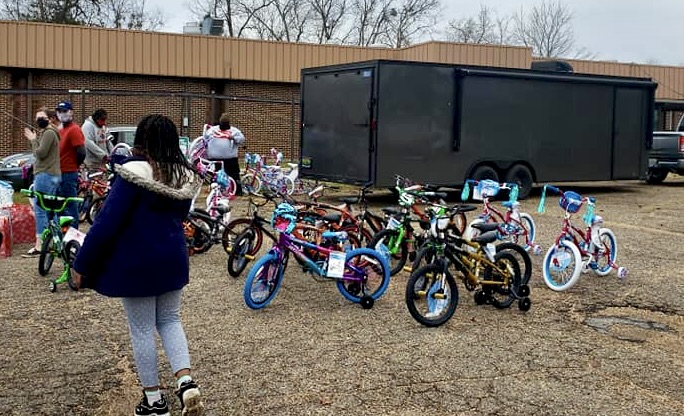
Once sorted, distribution channels come into play. In urban areas, pop-up events or mobile units deliver goods directly to communities, while in remote or disaster-struck regions, partnerships with logistics firms like UPS or FedEx enable efficient shipping. International aid organizations, such as UNICEF or World Food Programme, coordinate global efforts, navigating customs and cultural sensitivities to deliver aid amid crises like famines or refugee situations.
However, challenges persist. Mismatches between donated items and actual needs—think winter coats in tropical climates—can lead to waste. Logistical hurdles, including transportation costs and storage limitations, often strain resources. To combat this, many groups emphasize “needs-based” donations, encouraging cash contributions that allow flexible purchasing. Education campaigns also promote sustainable practices, like recycling unusable items.
The impact is undeniable: Proper distribution not only alleviates immediate hardships but also builds community resilience. Studies show that timely aid can reduce poverty cycles, improve health outcomes, and foster social cohesion. As global awareness grows, innovative models like blockchain-tracked donations ensure accountability, minimizing corruption.
In essence, distributing donated goods is a lifeline that turns compassion into action. By supporting reputable organizations and donating thoughtfully, anyone can contribute to a more equitable world. Whether through local drives or international efforts, the key lies in efficiency, empathy, and execution.