

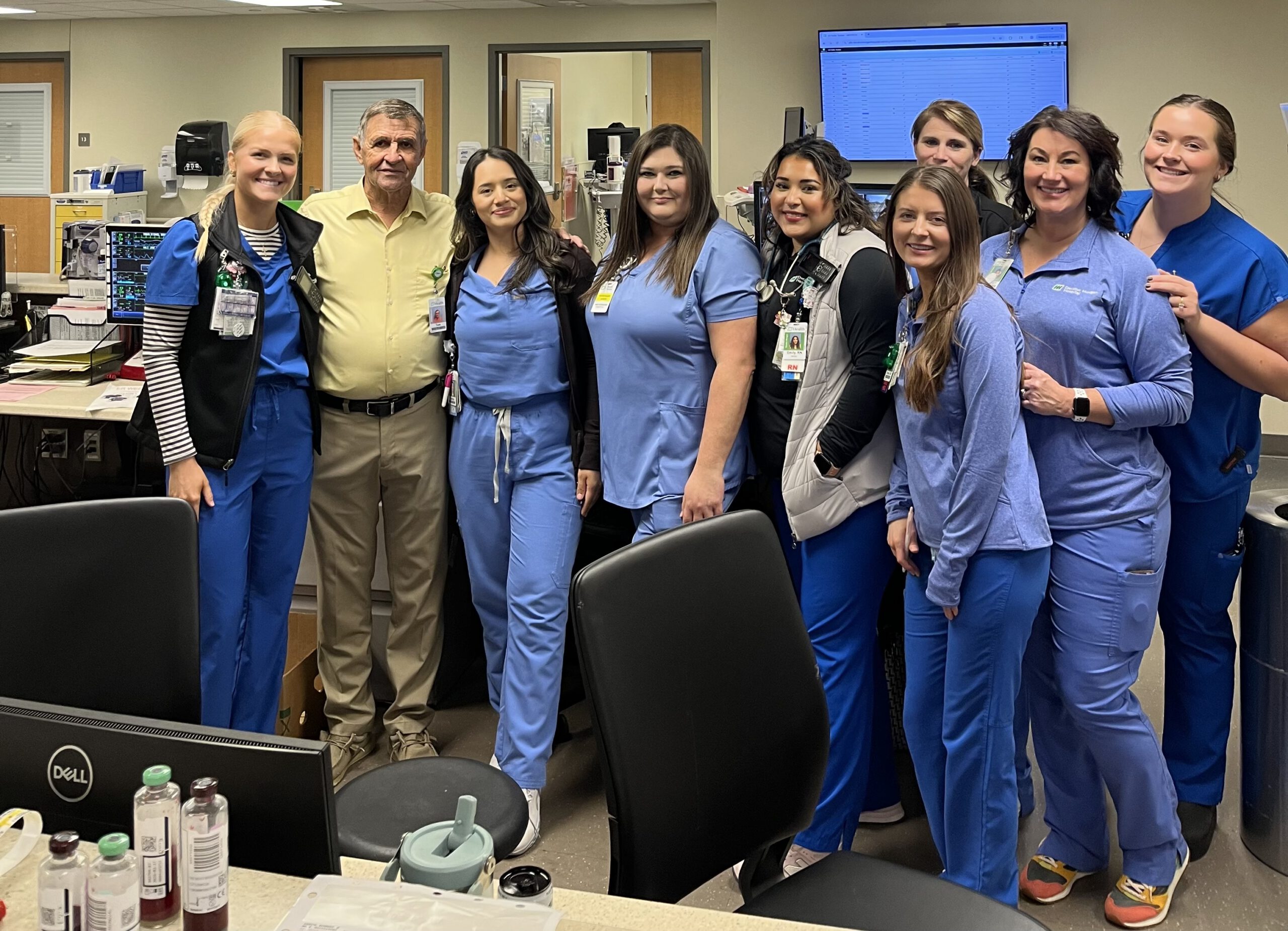
Hospital chaplains are often seen as quiet companions in the corridors of care, primarily visiting patients and families during vulnerable moments. But in many hospitals today, these trained spiritual caregivers are extending their reach in a meaningful way: visiting nurses and other frontline staff to offer emotional support, encouragement, and a moment of respite.
Nurses in hospitals face extraordinary pressures. Long shifts, high-stakes decisions, patient losses, moral distress from ethical dilemmas, and the emotional toll of caring for the severely ill can lead to burnout, compassion fatigue, and chronic stress. Studies have shown that interactions with chaplains correlate with reduced perceived stress among nursing staff, particularly those caring for critically or terminally ill patients.
Chaplains serve as non-judgmental listeners who provide an objective, supportive presence. Unlike managers or colleagues who might be caught up in the workflow, chaplains offer a safe space to process grief, frustration, or doubt without fear of professional repercussions.
We try to frequently visit the nursing units in various local hospitals with coffee, simple snacks or biscuits. Nurses can pause for a few minutes to chat, reflect, or simply breathe. Qualitative studies describe how these brief encounters help nurses feel seen, valued, and less alone amid the chaos.
Other approaches include:
- Informal one-on-one conversations in break rooms or at the nurses’ station.
- Quick debriefs after difficult cases, such as patient deaths or traumatic events.
- Short rituals or moments of reflection, like a “Thought for the Day” shared before rounds or brief group prayers/meditations for willing staff.
- Debriefing ethically challenging situations, helping nurses process moral distress.
The impact extends beyond the individual. When chaplains support nurses by handling spiritual care for families or patients, it frees nurses to focus on clinical tasks. This indirect relief lightens workloads and improves morale. Research highlights that hospitals with active chaplain involvement for staff report lower stress levels and better team resilience.
In an era where healthcare worker well-being is a critical concern, these quiet visits from chaplains represent a powerful, low-cost intervention. A simple cup of tea, a listening ear, or a moment of acknowledgment can remind a exhausted nurse that their work matters—and that they matter too.
Hospitals that prioritize chaplain outreach to staff aren’t just caring for patients; they’re nurturing the hearts of those who care for them. In the quiet acts of presence and kindness, chaplains help sustain the human spirit at the center of healing.